Networks
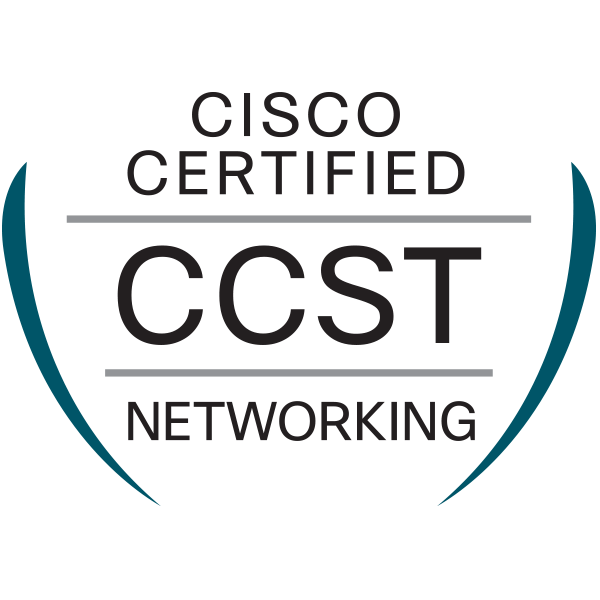
IPv4/IPv6 addressing, subnetting, TCP/IP, Ethernet, DNS and DHCP. Fundamentals validated by CCST Networking; further study towards the CCNA.
Looking for an internship
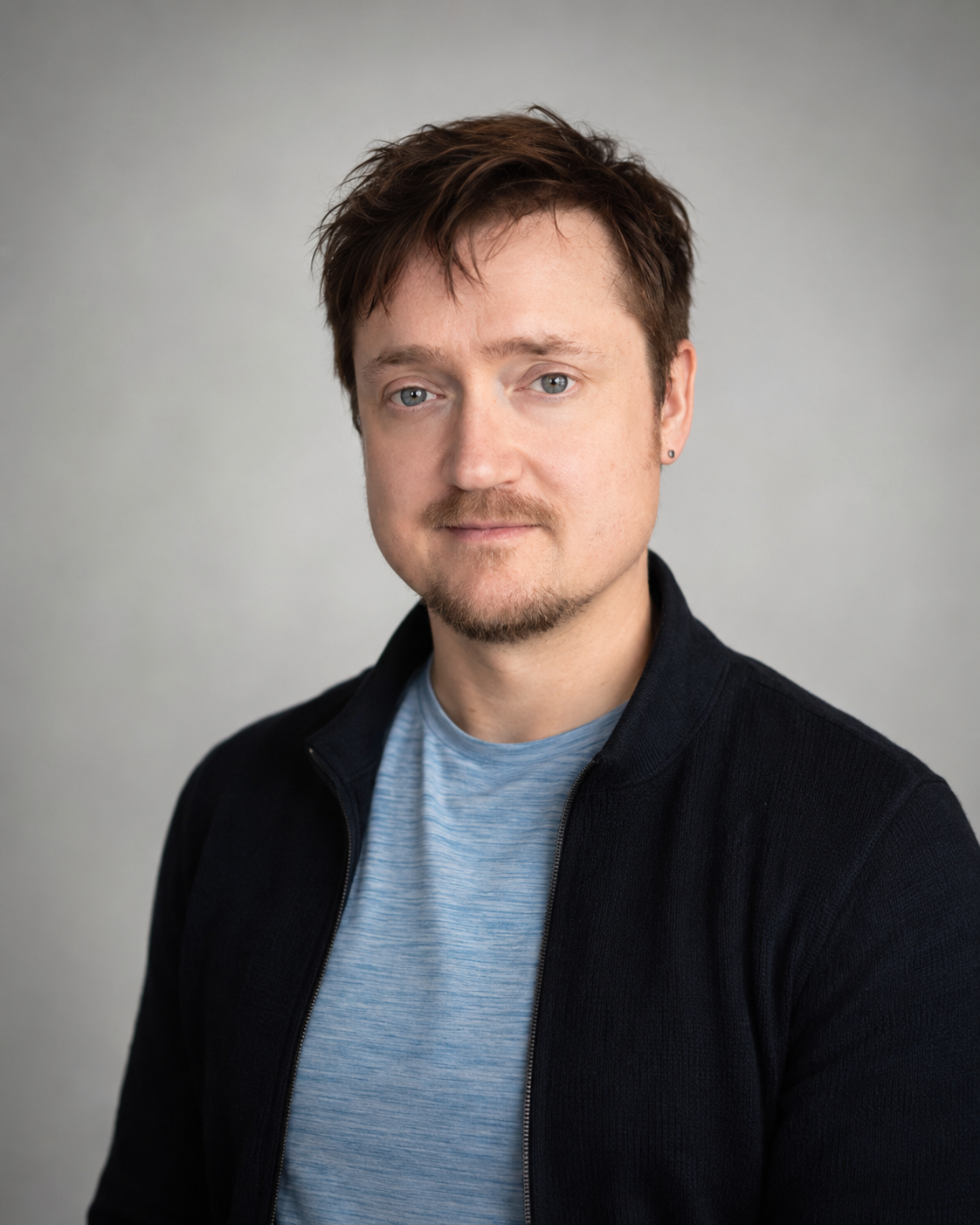
I’m François de Gennaro, a computer science student in Mons, Belgium, focusing on networks and infrastructure.
The systems behind the interfaces. The packets behind the exchanges. And the code that connects them.
Mons, Belgium · FR / EN
Illustrative diagram · no real equipment monitored
CCNACurrently preparing
Linux / SQL / JavaPersonal practice & academic projects
Networks first. Curiosity everywhere.
I’m in the second year of a bachelor’s degree in computer science at IPHLF in Mons. My direction: networking, system administration and infrastructure, with an interest in automation.
I like tracing a problem back to its underlying mechanism: reading a configuration, following an exchange, isolating a cause. Linux is my personal environment too, not just a classroom topic.
Java and SQL have taught me to structure applications and their data. During my internship, I want to bring that combination of infrastructure and development to a team.
Skills in progress, tied to actual practice. No arbitrary progress bars: here is what I work on and in which context.
IPv4/IPv6 addressing, subnetting, TCP/IP, Ethernet, DNS and DHCP. Fundamentals validated by CCST Networking; further study towards the CCNA.
Daily Arch Linux use, command-line work and SSH access between my machines. Gradually building a personal lab environment.
Deploying a VM and a container on Azure for a course assignment: SSH access, an HTTP rule in a network security group, and diagnosing deployment restrictions.
Object-oriented Java console applications, relational modelling, constraints, procedures and MariaDB triggers. Learning Python to extend my infrastructure work.
A network project in the design stage, academic applications and infrastructure experiments. Each project states what exists and what remains to be built.
NETWORKS / DIAGNOSTICS
A tool for network administrators: represent a topology, trace a packet’s path, and understand why a test succeeds or fails.
From an exchange to an explanation.
Trace devices and the path taken.
Identify and explain points of failure.
Run a test within a defined topology.
Project objectives · simulation engine still to be developed
DATABASE · ACADEMIC PROJECT
Preserving text fragments, organising them and tracking their movements. A relational model, constraints and database-side logic.
View source on GitHubJAVA · CONSOLE APPLICATION
An object-oriented application to manage fragments, collections, groups and feedback requests, with persistence through serialisation.
View source on GitHubLINUX & AZURE · HANDS-ON WORK
Connecting my machines through SSH and deploying on Azure. Two settings to put theory to the test with services, access and configuration errors.
Fewer slides. A little practice.
A network calculator and a small challenge, built on the same JavaScript engine. Everything runs in your browser: no address is sent to a server.
One address. One prefix. An unambiguous subnet.
The prefix is the number of bits reserved for the network. The remaining bits identify the host portion.
Some mental arithmetic?
No timer. No leaderboard. Just an address and a good reason to revisit powers of two.
Session score0 / 0
IPv4 challenges on private ranges, from /16 to /30.
An internship. A team. Hands-on work.
Looking for an intern who is curious about networks and systems, and happy to work with code and data too? Let’s talk.